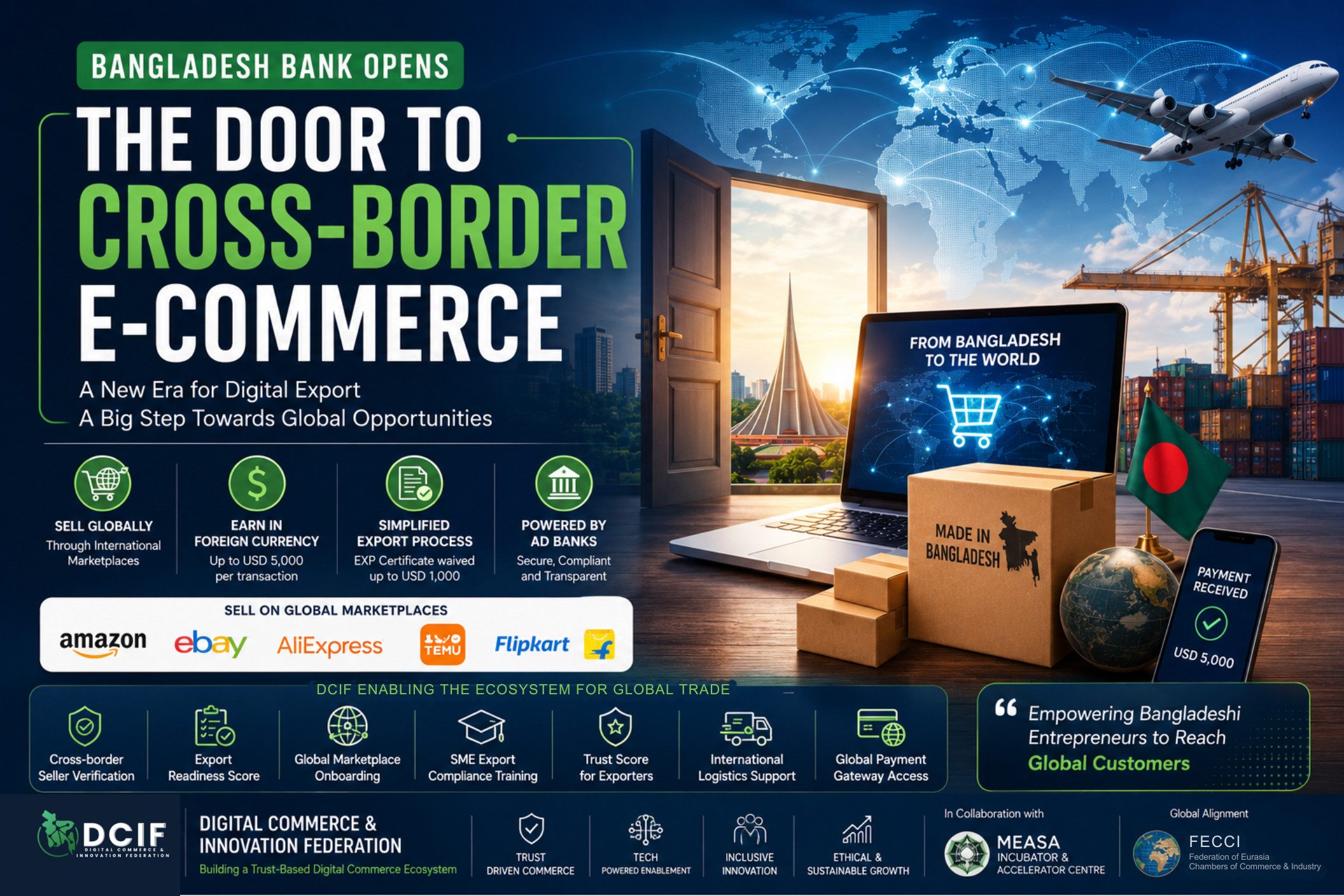
Bangladesh Bank Opens the Door to Cross-Border E-commerce: Is Bangladesh Ready for the Next Export Revolution?
By DCIF – Digital Commerce & Innovation Federation A New Era for Bangladesh’s Digital Export Economy Bangladesh has taken a historic step toward building a globally connected digital economy. On 16 June…
By DCIF – Digital Commerce & Innovation Federation
A New Era for Bangladesh’s Digital Export Economy
Bangladesh has taken a historic step toward building a globally connected digital economy.
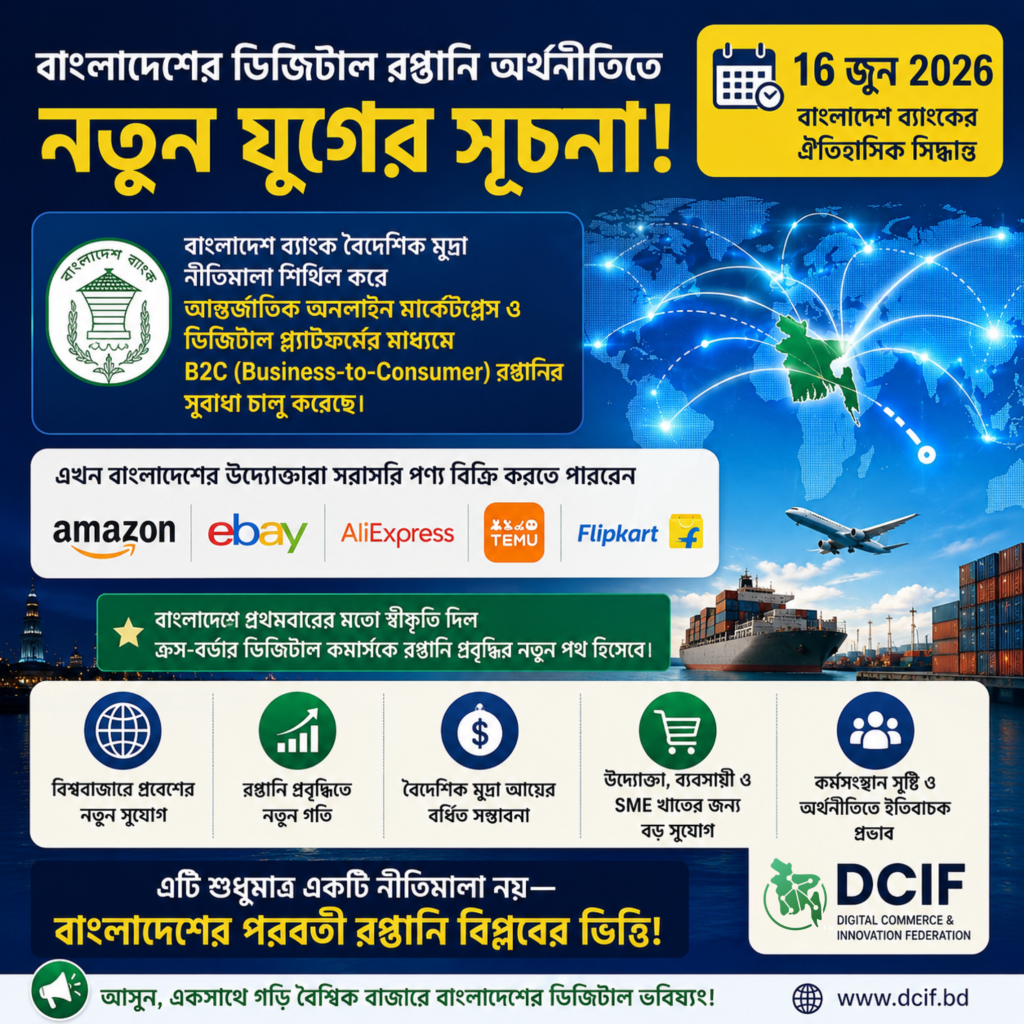
On 16 June 2026, Bangladesh Bank introduced a significant policy shift by relaxing foreign exchange regulations to facilitate Business-to-Consumer (B2C) exports through international online marketplaces and digital platforms.
This means Bangladeshi entrepreneurs can now potentially sell products directly to overseas consumers through global marketplaces such as Amazon, eBay, AliExpress, Temu, and Flipkart.
For the first time, Bangladesh is formally recognizing cross-border digital commerce as a pathway for export growth.
This is more than a regulatory update—it may become the foundation of Bangladesh’s next export revolution.
Why This Policy Matters
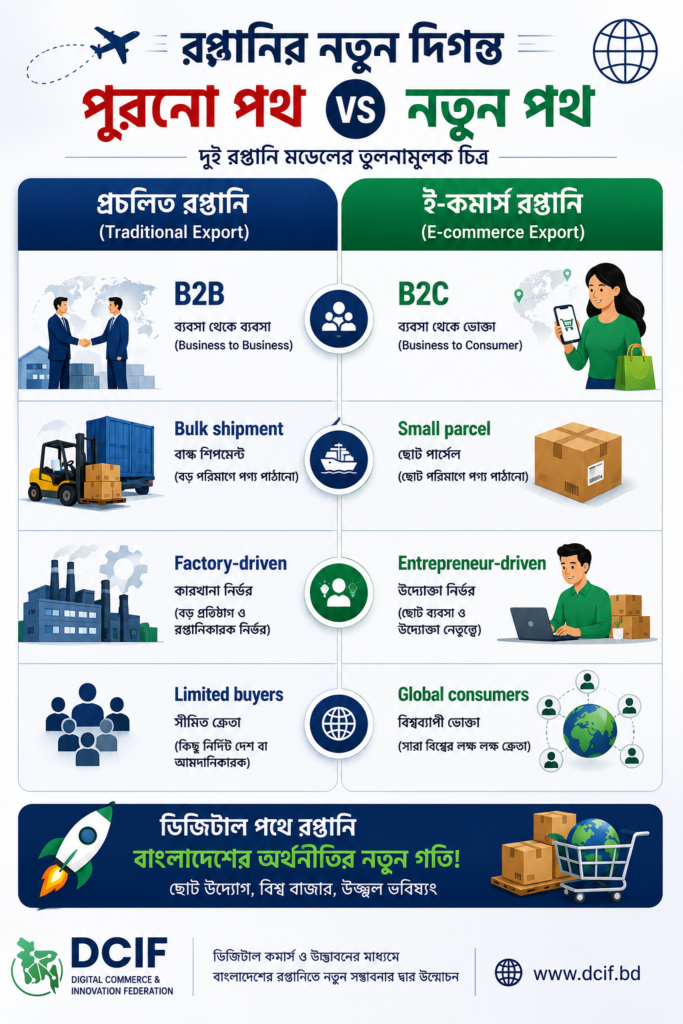
Traditionally, exports from Bangladesh have been dominated by large manufacturers and B2B trade models.
However, global commerce is rapidly shifting toward:
- Direct-to-Consumer (D2C) brands
- Digital marketplaces
- Cross-border e-commerce
- Small parcel international trade
Countries such as China, India, Vietnam, and Turkey have successfully leveraged digital exports to empower SMEs and small businesses.
Bangladesh now has an opportunity to join this transformation.
What Has Changed?
Under the new circular:
✅ Entrepreneurs can sell products directly to foreign consumers.
✅ Products worth up to USD 5,000 can be exported per transaction.
✅ EXP declaration is waived for exports up to USD 1,000.
✅ Marketplace subscription fees can be paid legally.
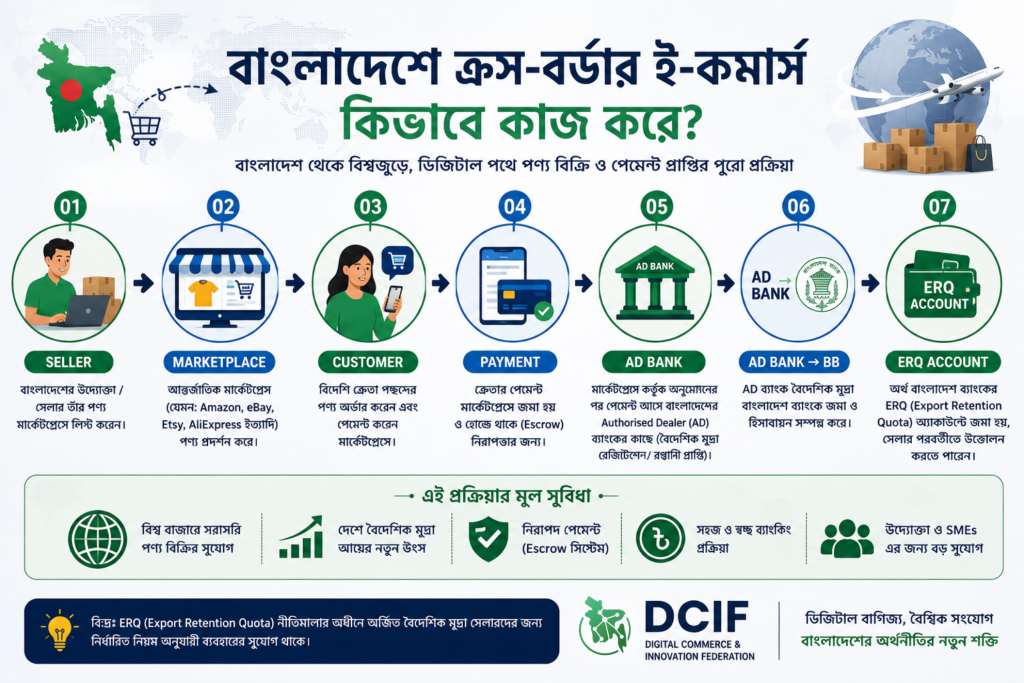
✅ Transactions will be processed through Exporters’ Retention Quota (ERQ) accounts.
The Real Opportunity: Democratizing Exports
This policy could democratize exports in Bangladesh.
A small entrepreneur from Dhaka, Chattogram, Rajshahi, or Sylhet can potentially build a global brand and reach customers worldwide.
Potential export categories include:
- Fashion & Apparel
- Polo Shirts
- Handicrafts
- Jute Products
- Leather Goods
- Home Décor
- Lifestyle Products
- Organic & Herbal Products
Bangladesh’s future export story may no longer be limited to factories—it may increasingly include digital entrepreneurs.
Challenges That Must Be Addressed
Policy alone does not create an ecosystem.
Several challenges remain:
1. International Payment Infrastructure
Questions remain around:
- Global payment gateways
- Marketplace settlements
- Refund management
- Cross-border transactions
2. Logistics & Fulfillment
Affordable international shipping remains a major challenge for SMEs.
3. Compliance & Certification
Global buyers expect:
- Product quality standards
- Packaging compliance
- Export documentation
- Certifications
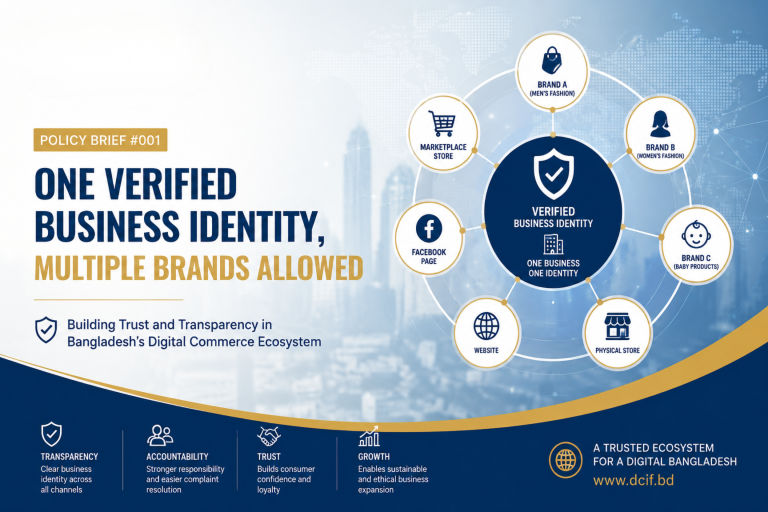
4. Seller Trust & Verification
International buyers need trust.
Verified merchants are more likely to succeed in cross-border trade.
Cross-Border E-commerce Requires an Ecosystem
Successful implementation cannot be achieved by the government alone.
Likewise, industry organizations cannot do it independently.
A collaborative ecosystem involving:
- Bangladesh Bank
- Commercial Banks & AD Branches
- Logistics Providers
- Payment Service Providers
- Industry Associations
- Entrepreneurs
- Technology Platforms
will be essential.
Cross-border digital trade is ultimately a trust-based ecosystem.
The Missing Layer: Export Readiness Infrastructure
As Bangladesh enters this new phase, several enabling mechanisms become increasingly important:
☑ Cross-border Seller Verification
☑ Export Readiness Assessment
☑ Global Marketplace Onboarding
☑ SME Export Compliance Training
☑ Trust Score for Exporters
☑ Cross-border Certification Frameworks
These are not optional features—they are foundational infrastructure for digital exports.
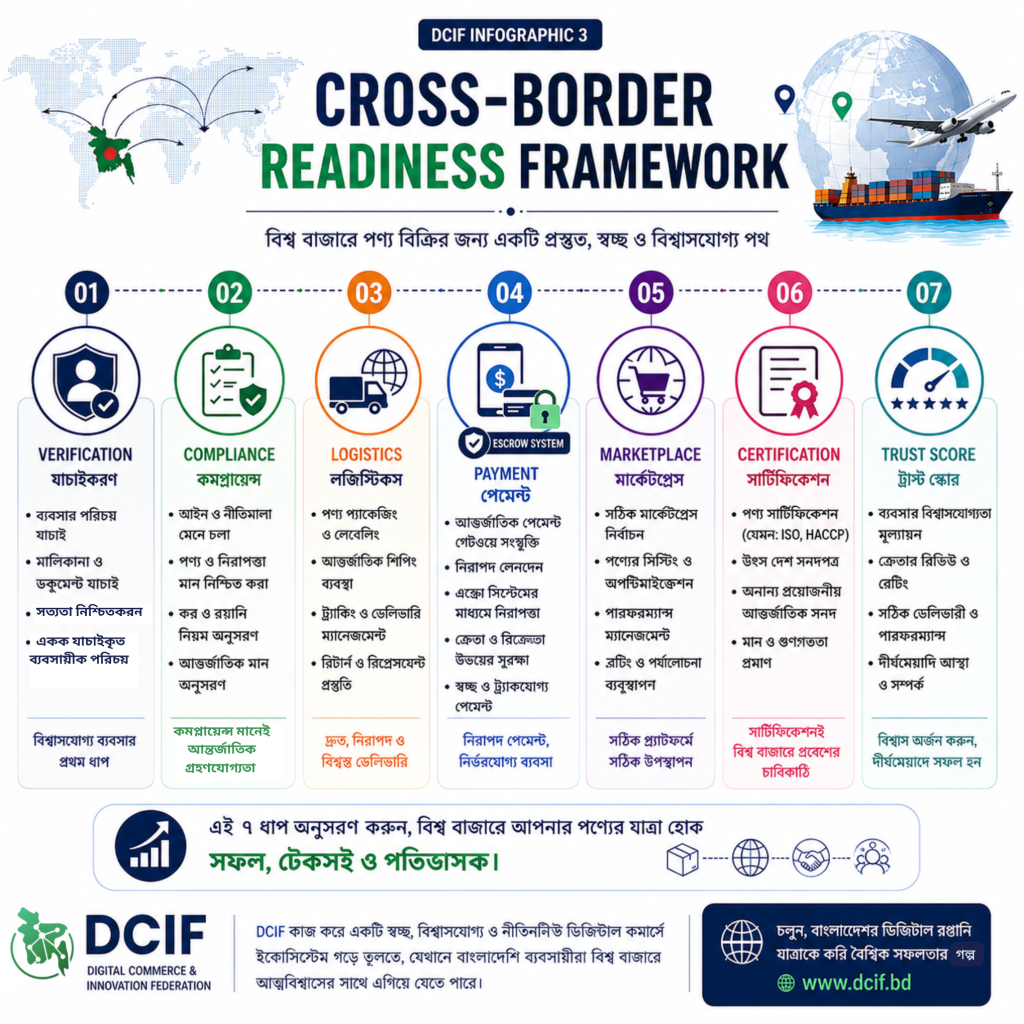
DCIF’s Perspective
At DCIF (Digital Commerce & Innovation Federation), we believe that the future of Bangladesh’s digital economy will be built on trust, compliance, and global connectivity.
Long before this policy shift, discussions around:
- Merchant Verification
- Escrow & Trust Mechanisms
- Cross-border Enablement
- Export Readiness
- Digital Commerce Standards
have been central to our ecosystem vision.
Through collaborations with international partners and ecosystem stakeholders, initiatives around cross-border readiness and certification are already being explored to help entrepreneurs become globally competitive.
The success of this policy will depend not only on regulations but also on implementation frameworks that enable businesses to participate confidently in global markets.
The Next Big Policy Conversation
Bangladesh’s e-commerce policy journey has already seen discussions around:
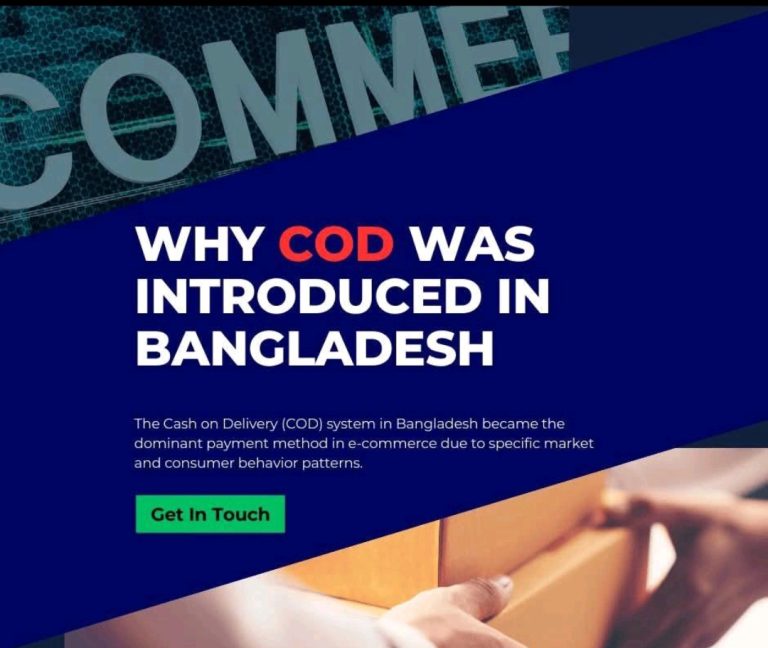
- Cash on Delivery (COD)
- Escrow Payment
- Merchant Verification
The next major chapter may well be:
Cross-Border Digital Export Policy.
If implemented successfully, Bangladesh could witness the rise of a new export sector:
Retail Export through E-commerce.
This would complement traditional exports and unlock opportunities for thousands of SMEs and entrepreneurs.
Final Thoughts
Bangladesh Bank has opened the door.
The next challenge is building the ecosystem.
The future of digital exports will not be created by policy alone—it will be built through collaboration, trust, and innovation.
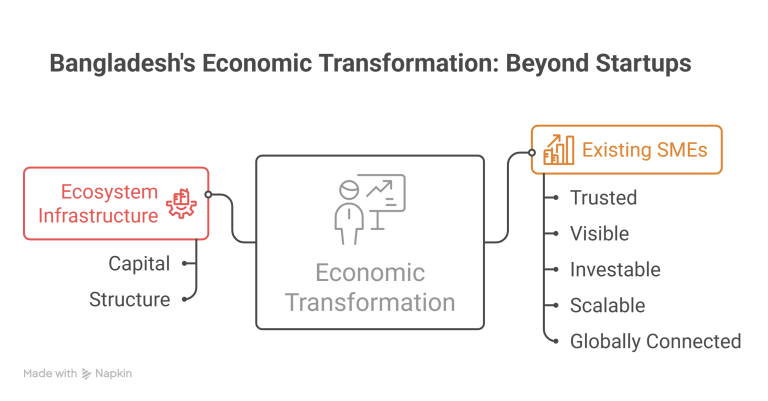
Bangladesh now has an opportunity to transform from a manufacturing powerhouse into a globally connected digital commerce nation.
The question is no longer whether cross-border e-commerce will grow.
The question is:
Is Bangladesh ready?
What is cross-border e-commerce?
Cross-border e-commerce refers to selling products online directly to customers located in other countries.
Can Bangladeshi sellers sell on Amazon?
The new policy enables cross-border exports, but seller onboarding still depends on marketplace eligibility and payment infrastructure.
What is an AD branch?
An Authorised Dealer (AD) branch is a bank branch approved by Bangladesh Bank to handle foreign exchange transactions.
What is ERQ account?
An Exporters’ Retention Quota (ERQ) account allows exporters to retain a portion of foreign currency earnings.
Why is seller verification important?
Seller verification builds trust, reduces fraud, and improves international buyer confidence.
What is DCIF?
DCIF (Digital Commerce & Innovation Federation) is a private-led initiative focused on trust, innovation, compliance, and sustainable digital commerce ecosystem development in Bangladesh.
Why is merchant verification important?
Merchant verification improves transparency, accountability, and consumer confidence while reducing fraud risks.
📩 Contact
📧 Email: contact@dcif.bd
Read Relevant Article From DCIF Policy Briefs
What is Merchant Verification in E-commerce?
Why Bangladesh Needs Escrow-Based Commerce Infrastructure
The Future of COD Governance in Bangladesh
Digital Commerce Trust Score (DCTS): A Framework for Responsible Growth
📊 To Know The Below
Subscribe Our Newsletter Today
The Future of Bangladesh’s Digital Economy
Digital Trust Infrastructure in Bangladesh
Why Compliance Matters for SMEs